Premier Business Litigation Attorney: Protect Your Company's Interests in Legal Conflicts
Handling litigation matters represents a critical element of running a business. A premier corporate litigation specialist holds significant importance in defending a company's interests, especially when difficult situations occur. Their knowledge in agreement conflicts and employment matters can substantially affect a organization's prospects. Understanding their functions and the qualities that make them effective is essential for any business facing potential legal challenges. What should businesses consider when selecting the right attorney for their circumstances?
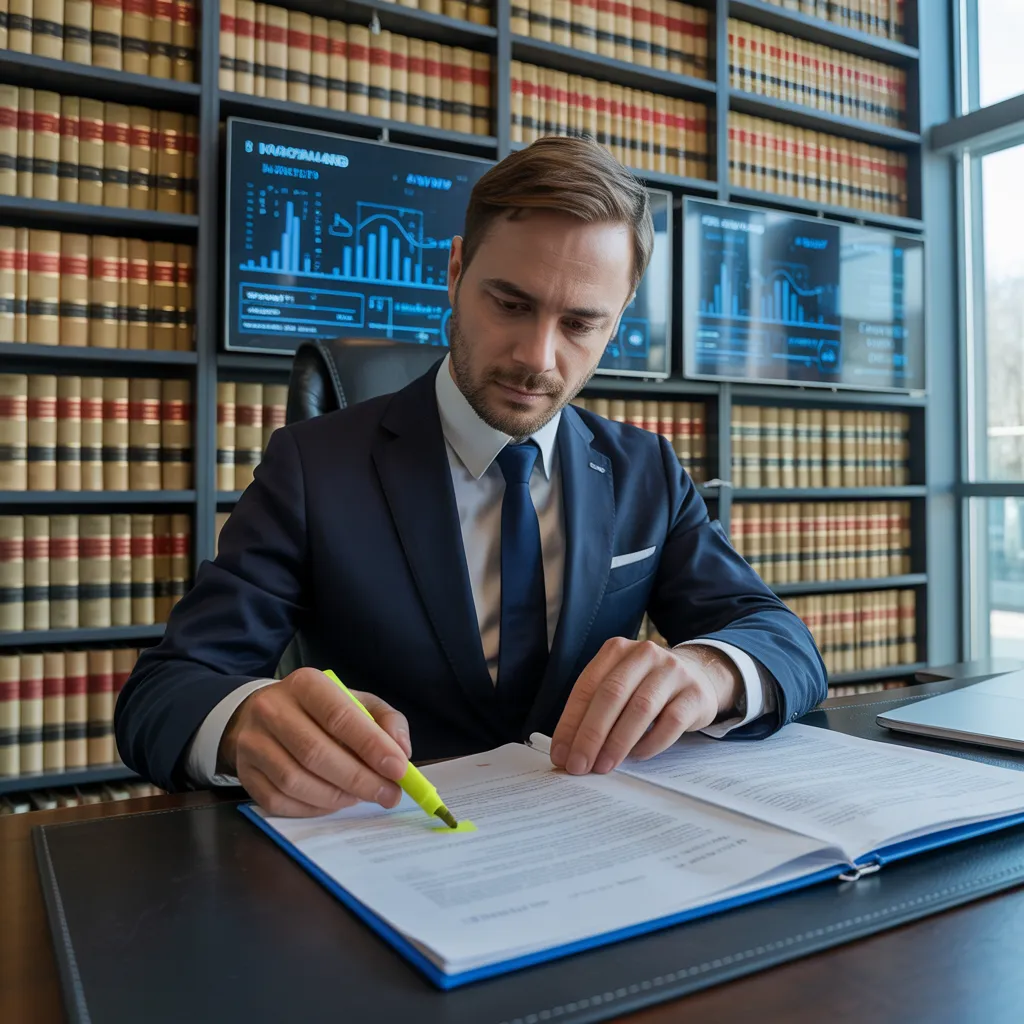
Why You Need a Business Litigation Attorney|Reasons You Need a Commercial Legal Attorney|Advantages of Securing a Corporate Dispute Lawyer
Managing the intricacies of commercial disagreements can be daunting, making the expertise of a business litigation lawyer essential. Companies often encounter multiple juridical obstacles, including contract disputes, employment issues, and regulatory compliance matters. Engaging a experienced lawyer helps navigate these intricacies, guaranteeing that a company's juridical protections are safeguarded.
A business litigation attorney has specialized knowledge of the court system, allowing them to develop effective strategies customized to each case. They can provide valuable insights into potential outcomes, helping businesses make informed decisions. Furthermore, their expertise in settlement discussions and conflict resolution can result in advantageous agreements, often preventing the need for lengthy court proceedings.
Furthermore, a business legal counsel specializing in disputes can help with drafting and reviewing contracts to prevent future disputes. Ultimately, having a competent legal professional on board provides businesses with the necessary tools to resolve disputes effectively, safeguarding their interests and maintaining their operations.
Top Qualities Necessary in a Corporate Litigation Attorney
Successful representation in corporate legal disputes is contingent upon a number of vital characteristics that a legal professional must demonstrate. Primarily, a powerful analytical skill is fundamental; a legal professional must break down complicated legal problems and develop effective strategies adapted to the particular situations of each case. Moreover, outstanding communication competencies are critical, facilitating the lawyer to clearly articulate arguments and engage in productive negotiations on behalf of the client.
Experience in business law is another essential quality, as knowledge with industry-specific regulations can greatly impact case outcomes. Moreover, a forward-thinking approach is important; a lawyer should anticipate potential issues before they escalate, allowing for timely interventions. Finally, integrity and professionalism are non-negotiable traits, as they foster trust and confidence between the lawyer and the client. Together, these qualities form the foundation for a successful business litigation lawyer, ensuring that clients' interests are vigorously protected in legal disputes.
Resolving Agreement Issues: An Attorney's Responsibility
When businesses enter into contracts, the possibility for disputes necessarily arises, requiring the guidance of a skilled lawyer. These attorneys play an essential role in managing the intricacies of contract law, guaranteeing that their customers understand the terms and obligations outlined in agreements. A lawyer's expertise is invaluable in identifying potential conflict areas and counseling on hazard mitigation strategies.
Should a dispute occur, a business litigation attorney can facilitate negotiations, pursuing resolution through alternative dispute resolution mechanisms to avoid lengthy court battles. If litigation becomes unavoidable, they champion their clients' interests, laying out evidence and arguments to support their case.
Additionally, a lawyer can deliver knowledge of case law and regulatory requirements, permitting businesses to make informed decisions. By drafting comprehensive agreements and handling conflicts competently, a lawyer shields a company's interests, in the end advancing stability and growth.
How Lawyers Assist With Job Issues
Lawyers fulfill an essential role in managing employment issues by counseling clients through the complexities of labor contracts. They help in explaining terms and conditions, confirming that rights and obligations are properly grasped. Additionally, these attorneys help resolve workplace disputes, facilitating negotiations and safeguarding clients' interests.
Managing Employment Contracts
Working through the challenges of employment contracts is often difficult, as even subtle details can markedly impact both worker and employer rights. Counsel specializing in business litigation fulfill a important role in drafting, reviewing, and negotiating these agreements. They verify that terms including compensation, benefits, and termination clauses are clearly communicated and compliant with governing laws. Moreover, legal counsel can spot and breach of contract lawyer atlanta reduce potential risks, protecting against future conflicts. By sharing expertise on industry norms and legal responsibilities, lawyers aid clients in making educated decisions. Their proficiency not only simplifies the contract process but also improves the overall relationship between employers and employees, promoting a more cooperative workplace.
Resolving Workplace Conflicts
Workplace clashes can appear even in soundly organized environments, often coming from false interpretations or misinterpretations of employment documents. Business legal advisors are vital in handling these conflicts swiftly. They present seasoned legal advice to both employers and employees, assisting to elucidate contractual language and institutional regulations. By promoting interaction, counselors can broker agreements, aiming at amicable resolutions that steer clear of lengthy litigation.
In situations where talks break down, these attorneys are prepared to fight for their clients in court, guaranteeing that their rights and concerns are protected. Whether handling issues like wrongful termination, discrimination, or pay conflicts, skilled attorneys bring priceless knowledge to the table, creating a more peaceful work environment while safeguarding legal adherence.
Handling Legal Challenges in Business Environments
Within the realm of enterprise, navigating regulatory challenges is important for regulatory adherence and operational success. Organizations must adopt sound methodologies to fulfill statutory obligations while understanding the intricate regulatory systems that oversee their business sectors. A proactive approach to legal conformity can reduce risks and strengthen overall business resilience.
Regulatory Compliance Strategies
Regulatory obstacles can considerably impact a business's functioning and revenue generation. To reduce these threats, companies must implement strong regulatory adherence approaches. First, performing thorough threat evaluations helps identify potential regulatory shortcomings. Regular educational programs for staff guarantee that they remain updated about applicable regulations and optimal practices. Establishing a specialized regulatory department can further improve oversight and responsibility. Additionally, leveraging digital tools, such as regulatory management platforms, simplifies tracking and documentation procedures. Businesses should also promote transparent communication with regulatory bodies to remain informed on changes and requirements. By actively addressing compliance issues, companies can safeguard their interests, avoid costly penalties, and maintain a favorable reputation in their industry. These approaches are vital for sustainable expansion and functional soundness.
Examining Legal Frameworks
Navigating the intricate terrain of regulatory structures is crucial for companies seeking to address regulatory challenges successfully. Entities must understand the intricate web of federal, state, and local regulations that control their business activities. This comprehension not only facilitates adherence but also helps lower possible litigation. Working with corporate litigation attorneys can deliver useful guidance into traversing these regulations, ensuring that businesses remain in compliance while safeguarding their assets. Additionally, proactive litigation tactics can identify potential regulatory risks before they escalate into serious issues. By staying informed about regulatory updates and sector-specific rules, businesses can adapt their procedures, thereby cultivating a compliance-focused environment that minimizes exposure to litigation and strengthens overall operational stability.
The Significance of Communication and Availability in Legal Representation
How crucial is effective communication in the practice of legal representation? In business litigation, clear and timely communication between a lawyer and their client establishes a strong working relationship. Clients must understand the legal strategies being utilized and their potential implications. Regular updates on case progress ensure that clients remain engaged and informed, which is critical for decision-making.
Availability is just as important. A lawyer's promptness can greatly influence a client's satisfaction, as quick responses to questions can reduce anxiety and establish confidence. When clients feel heard and supported, they are more likely to work together completely and provide necessary information.
In addition, clear communication can help block misunderstandings that might spiral into larger lawsuits. Ultimately, the union of strong communication and openness not only maximizes client satisfaction but also supports more beneficial outcomes in legal lawsuits. Hence, these qualities are required in the realm of business litigation representation.
When should you engage a Business Litigation Lawyer?
Figuring out the appropriate time to hire a business litigation lawyer can be important for the success of a case. Companies should consider engaging legal counsel at the first indications of a potential conflict, such as a breach of contract or disagreement with a partner. Early consultation of a lawyer can assist in assessing risks and formulating strategies, potentially preventing escalation.
Additionally, if a business receives a formal complaint or summons, securing counsel is vital to guarantee correct handling and legal protection. Enterprises must likewise engage a lawyer when discussions fail and court proceedings become necessary, as knowledgeable legal experts can handle complicated legal situations.
In addition, if the stakes of a dispute are significant—whether budgetary, reputational, or operational—hiring a legal professional is imperative. Their expertise not only defends a company's interests but also enhances the likelihood of a successful outcome in any legal proceeding.
Common Inquiry Questions
What Are Typically the Fees for Business Litigation Lawyers Commonly?
Legal professionals who focus on commercial disputes typically charge between $150 to $500 per hour, contingent upon their qualifications and the difficulty of the case. Some may also present flat fees or engagement agreements for defined services.
How Long Does the Common Business Legal Dispute Usually Take?
The typical duration of a commercial legal dispute generally varies from a few months to a few years. Factors influencing this timeline encompass complexity of the case, judicial calendars, and the readiness of parties to settle disputes through negotiation.
Can I represent My Business Without a Attorney?
Yes, a business can self-advocate without a legal professional, but doing so may create obstacles. Legal complexities often require knowledge, making professional representation advisable to handle potential pitfalls and confirm proper handling of disagreements.
What Dangers Could Result When You Forgo a Counsel?
The dangers of not engaging a lawyer consist of potential legal missteps, poor grasp of rules, unfavorable settlement terms, elevated liability, and the risk of losing a case due to lack of skilled legal assistance and direction.
What Ways Can I Use to Locate a Trustworthy Commercial Dispute Lawyer?
To identify a trustworthy commercial litigation specialist, one should obtain referrals from trusted contacts, review digital feedback, assess their experience in comparable cases, and confirm their qualifications through legal bar organizations or legal directories.